Caso de éxito. Ministro, teckel de 6 meses
Ministro tenía problemas de conductas agresivas en casa por comida, juguetes o por el propio espacio. Aquí el antes y después de la rehabilitación.
Dog Obedience & Behavior Training
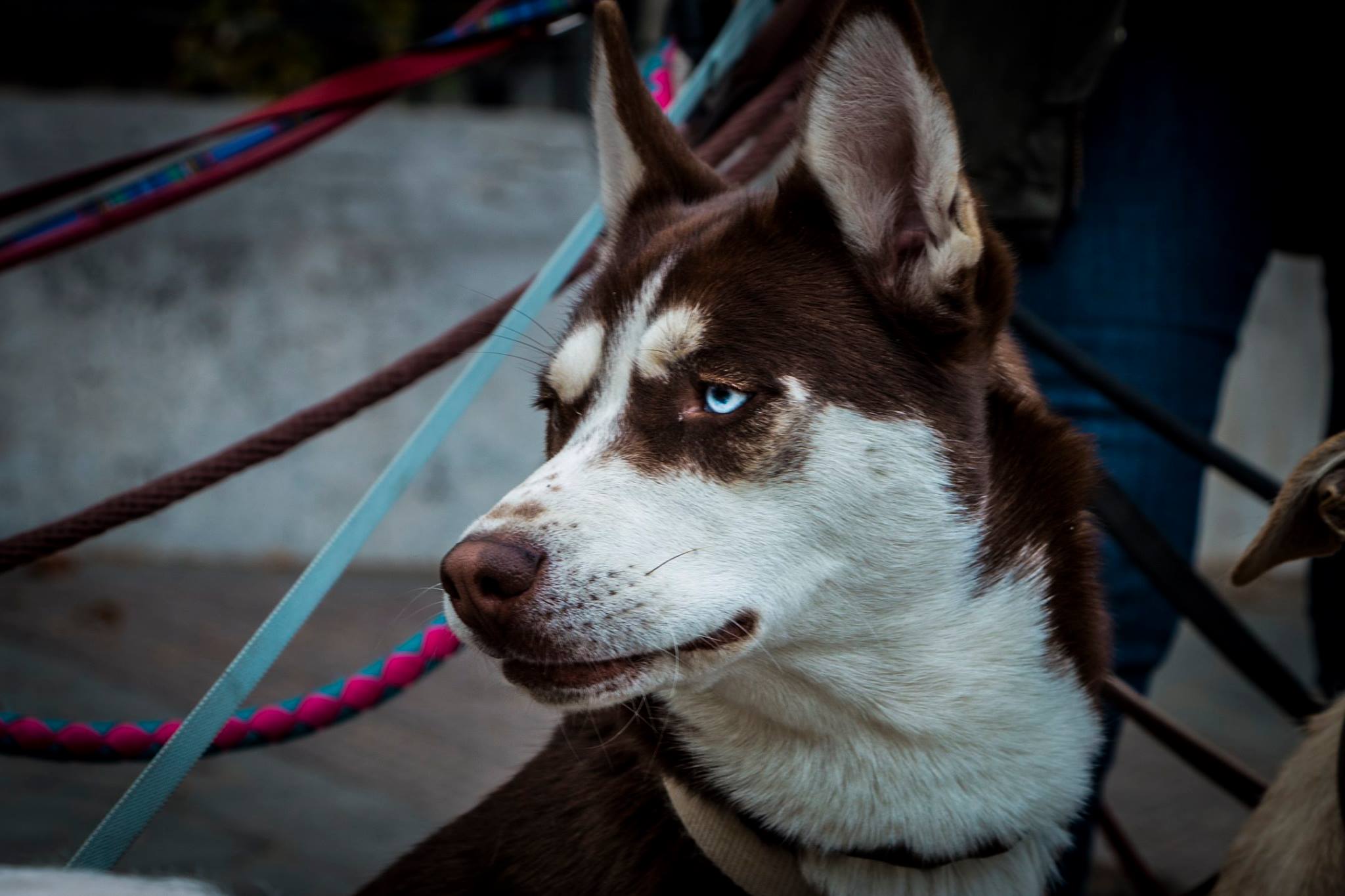
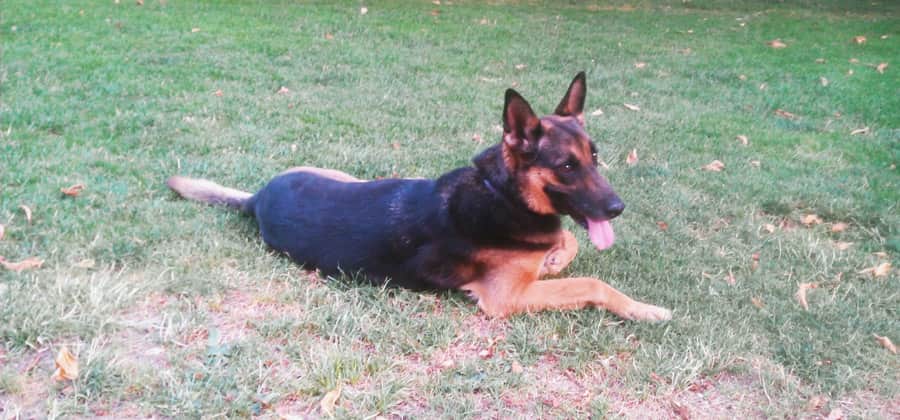
Education is very important because with it we get the dog to disappear inappropriate behaviors, and channel other in order to adapt the behavior of the dog to their environment. With training, however, the dog learns certain orders or behaviors not necessarily natural, but essential to get a good education and control of the dog.
In the first phase, through Basic Obedience training, carried out on a leash, your dog will learn:
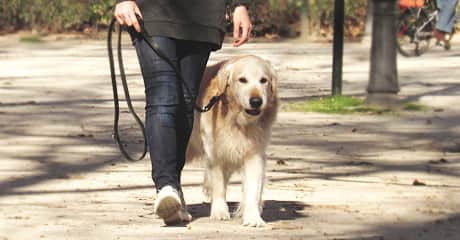
The dog walks and stays by your side.
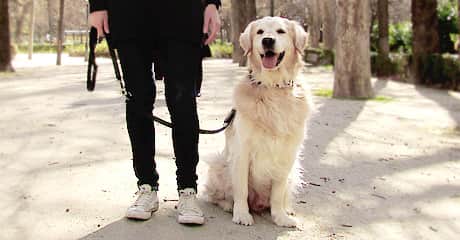
At your command, your dog will sit next to you.
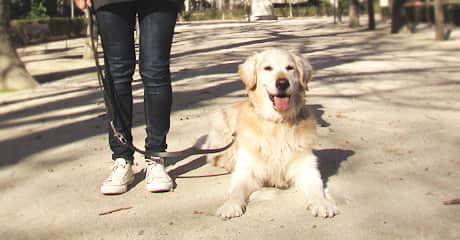
The dog lies down beside you until further notice.
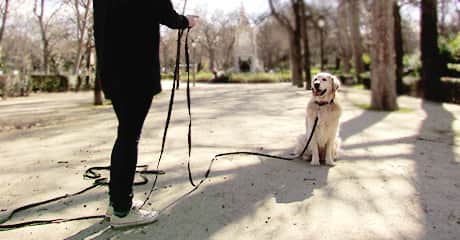
The dog remains still in the position in which it is until a new order.
Once the dog has been trained in Basic Obedience, it is time to start with Advanced Obedience. With it your dog will learn to execute different commands at a distance, without a leash:

Execute the orders together, sitting, lying, quiet and go to your call.
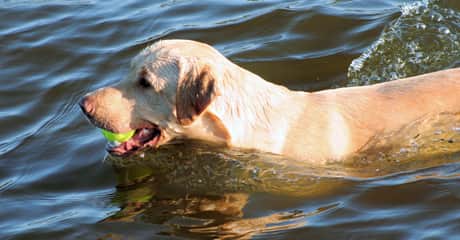
The dog will pick up the objects that you throw as balls, sticks, toys ... and bring them to your side.
We will prevent the dog from eating street foods.
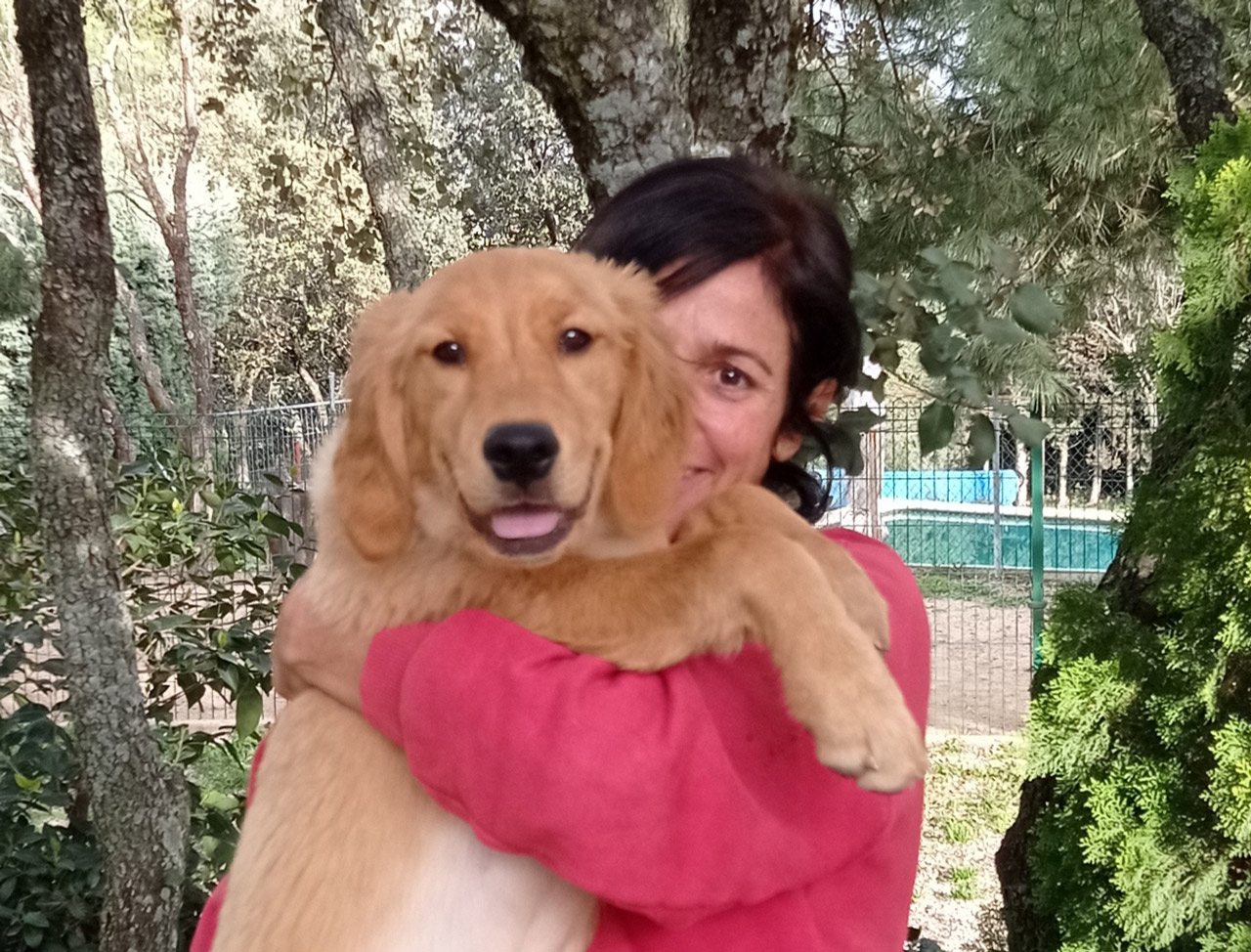
Early education helps ensure that your puppies establish good habits, good relationship with the environment and helps eliminate unwanted behaviors. The education of puppies is done with positive training, and involves:
I will teach you the basic guidelines of how to have a dog at home, safety guidelines, food, accommodating the house and how to find its space.
We will practice the necessary steps so that your puppy learns to urinate and defecate in the correct place.
We will learn to make the carrier positive, so that you can use it as your refuge during rest times, and do not have problems if in the future you have to use it to travel or to the vet.
We will learn to expose the puppy to all kinds of stimuli so that it gets used to it and prevent it from developing fears of people, noises, or other dogs.
I will teach you how to keep the dog calm at home. Will be able to tell when is time to fun, or time to rest.
I will teach you guidelines when eating, in order to avoid aggressive behaviors due to possession of resources.
We will accustom the dog to being manipulated. Although some dogs like it more or less, this is essential when we have to deal with our dog to administer medications or during visits to the vet.
Everything a puppy learns up to the 16th week will mark him forever and will never forget it
There are certain behaviors in dogs that cause problems of coexistence, in the walk, with the visits of people at home, with other animals ... With the Behavior Modification managed to change these problematics acquired by the animal.
Apart from the genetics or negative experiences in the past of the dog, the problematic behaviors, in many cases, are reinforced by the environment and by ourselves without realizing it. Therefore, the ideal is to "reset" the dog.

Towards people and other animals: by dominance, territorial, competitive, intrasexual, by fear, by pain, predatory, possessive, learned, by game, redirected, ideopathic.
Separation Anxiety, fear of People, fear on Walks, fear of noises, sights, touch anxiety, anxiety caused by changes such as moving, new baby to home, stress situations, etc.
Destructiveness at home, with toys, furniture.
Repetitive behaviors such as pursuit of the tail, licking, pacing or spinning in circles.
Overeating with regurgitation (Polyphagia). Anorexia and coprophagia (eats feces). Aggression problems if people or other dogs are near his bowl.
Problems socializing with other dogs, or with people (children and adults).
Dog hygiene issues such as urinating or defecating at home or eating feces.
To have a dog that adapts to all situations, without worrying about whether it will behave well in front of friends and strangers, that it does not escape, and that it does not eat food from the ground.
Being able to walk in a relaxed and calm way with your dog, without pulls. Have a socialized dog that can coexist in society in a correct way, respecting you and others.
To have fun with your dog increase your connection and have the confidence that will always respond.
Would you like to enter in a shop, leaving your dog at the door waiting and not have to be worry about barking or trying to escape?
Before our first class we wanted to give you some information about what to expect and go over the basics.
I encourage the whole family to get involved from the beginning. This will ensure that everyone is on the same page and will increase the likelihood of success, as consistency is key in dog training. I understand that it is not always possible to match the schedules. If this is the case, we simply ask that the dog's primary handlers attend.
If your dog is sick (upset stomach, runny nose, etc.), take him to the vet for an exam before the next class.
The first classes can be given at home to learn educational guidelines.
The first part of our initial appointment will be to discuss the things you would like to improve with your dog. This will be the time for you to tell me your dog's history: behaviors, personality, health and daily routines, current behavior problems you would like to work on, and answer any questions you may have.
The number of sessions depends on the character and disposition of the dog, and on what the owners practice what they have learned in the classes inside and outside the home.
It will depend on the number of classes. To make a budget it is necessary to first carry out an evaluation of the dog, know the details of the case and thus be able to make an estimate. Contact with me for more information.
If you live in the Madrid area and you want me to train your dog, do not hesitate to write me through this form. You can also contact me by email or by phone.
Contact schedule
Mon - Fri: 9:00 - 20:30
Sat: 09:00 - 13:00
In 2012 I started with The Walking Dog project and there are many customers happy with my work. I do not use a single method, since each dog is different. The important thing is to improve the quality of life of the dog and its owner.


Totalmente raccomandabile, Eva è stata super professionale e disponibile fin dal primo contatto. Trattandosi di un cucciolo, Eva è stata molto flessibile per adattare gli orari delle lezioni alla sua breve capacità...
Se nota que adora a los perros , y ellos conectan con ella enseguida. Mi cachorro, Luna, ha aprendido muy rápido a obedecer las órdenes básicas más importantes, y que me parecen fundamentales para...
Eva is the best! Our dog, Roxy, not only loves her walks with Eva and the other dogs...her behavior has improved as well. If you need a dog walker or trainer in Madrid, I fully recommend The Walking Dog!